Categories:
Loading...
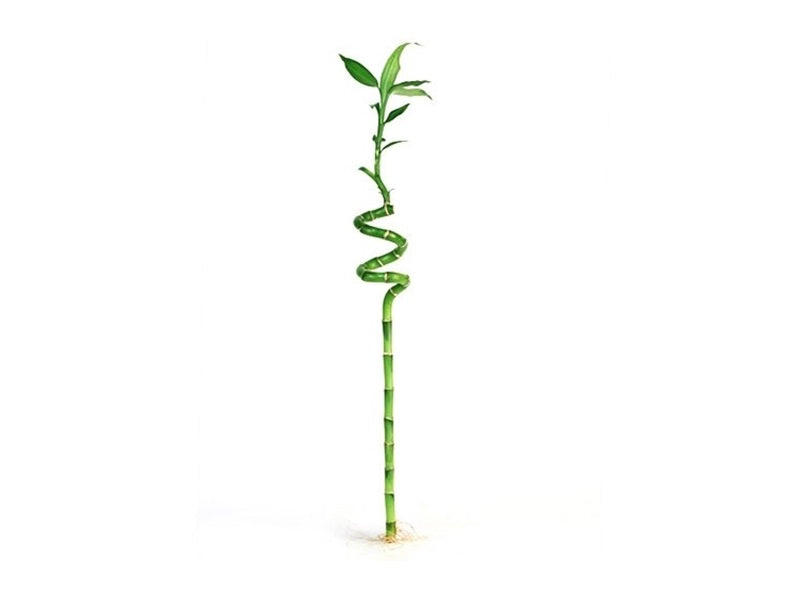
As a member of the Dracaena family, Lucky Bamboo, scientifically known as Dracaena sanderiana, is not a true bamboo. It is a well-liked houseplant with lovely, thin stems and vibrant green leaves. This is Lucky Bamboo's description and maintenance guide:
Synopsis:
Stems: The tall, thin stems of lucky bamboo are usually straight or twisted. Typically, the stems are grown in a bundle and fastened together with ribbons or other ornamental materials.
Lucky Bamboo leaves are tiny and have a lance-like form. They give the impression of being lush and tropical when they are grouped along the stems.
Size: Lucky Bamboo comes in many sizes; little potted plants can be only a few inches tall, while bigger arrangements can reach several feet in height.
Take Care:
Water: Rather than soil, lucky bamboo is usually planted in water. Make sure the roots are always immersed in water. In order to avoid the accumulation of minerals that could harm the plant, use distilled or filtered water. To keep the water fresh and avoid stagnation, change it every two to four weeks.
Lighting: Indirect, strong light is preferred by Lucky Bamboo. It should not be placed in direct sunlight as the leaves may be burned. The best lighting is fluorescent or indirect light coming from a window. If the leaves begin to turn yellow, it could be a sign of insufficient water quality or too much light.
Temperature: 60°F to 80°F (15°C to 27°C) is the ideal range for Lucky Bamboo growth. Avoid exposing it to severe temperature changes and drafts as these can cause harm the plant
Fertilization: Lucky Bamboo doesn't need to be fertilized frequently because it is typically low maintenance. During the growing season, you can use a diluted, balanced liquid fertilizer designed especially for fortunate bamboo once every two to three months. For information on the correct dosage, refer to the fertilizer package directions.
Container: Pick a container big enough to keep the Lucky Bamboo's roots submerged in water. To highlight the roots, a clear vase or other container is frequently utilized. To preserve the purity of the water, make sure the container is clean and clear of any impurities.
Pruning: Remove any yellow or broken leaves as soon as you see them. To regulate the height and shape of the plant, you can also cut the stems. To make precise cuts, use scissors or pruning shears that are clean and sharp.
Extra Advice:
Because it might cause dryness, Lucky Bamboo should not be placed close to heating or cooling vents.
If you would rather plant Lucky Bamboo in soil, use a potting mix that drains well and water it frequently, letting the soil dry out a little in between applications.
You can add some humidity by spraying the foliage once in a while or setting the container on a plate with stones and water on it.
High fluoride or chlorine content tap water should not be used on plants. Instead, use distilled or filtered water.
Based on the principles of Feng Shui, Lucky Bamboo is thought to provide good luck and positive energy. With the right maintenance, such as enough water, indirect light, and sporadic fertilization, your lucky bamboo can flourish and provide a bit of the great outdoors to your home or office environment.


.png)


